Personalized Urology & Kidney Care with Dr. Amit Hosamani
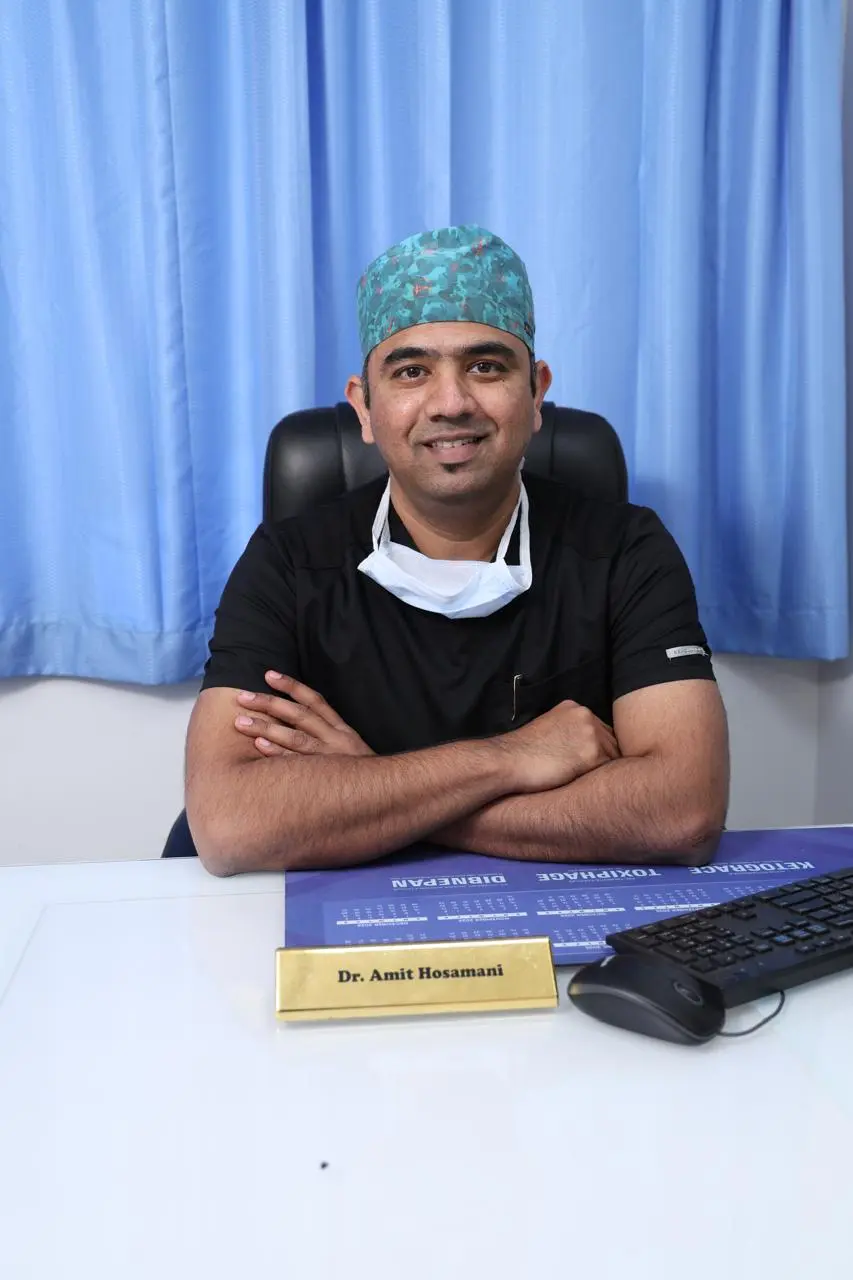
Dr. Amit Hosamani is a dedicated Urologist who is specialized in robotic surgery for urological problems. He belief that in present all surgery can be done using robot leading to less scar, lesser pain and fastest recovery.
Health Concerns We Commonly Help With
Individualised homeopathic care for a wide range of acute and chronic condition.
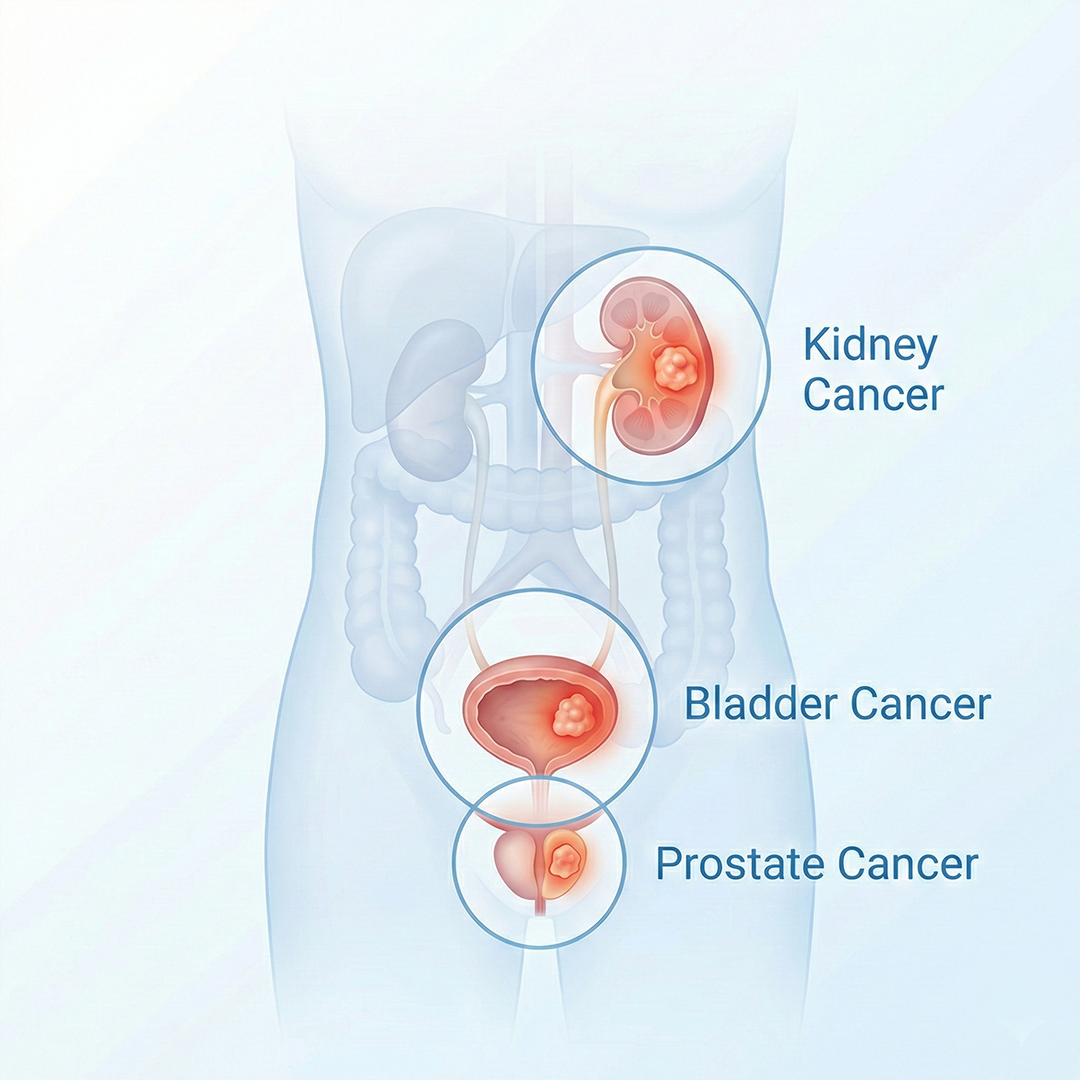
Prostate, Kidney & Bladder Cancer
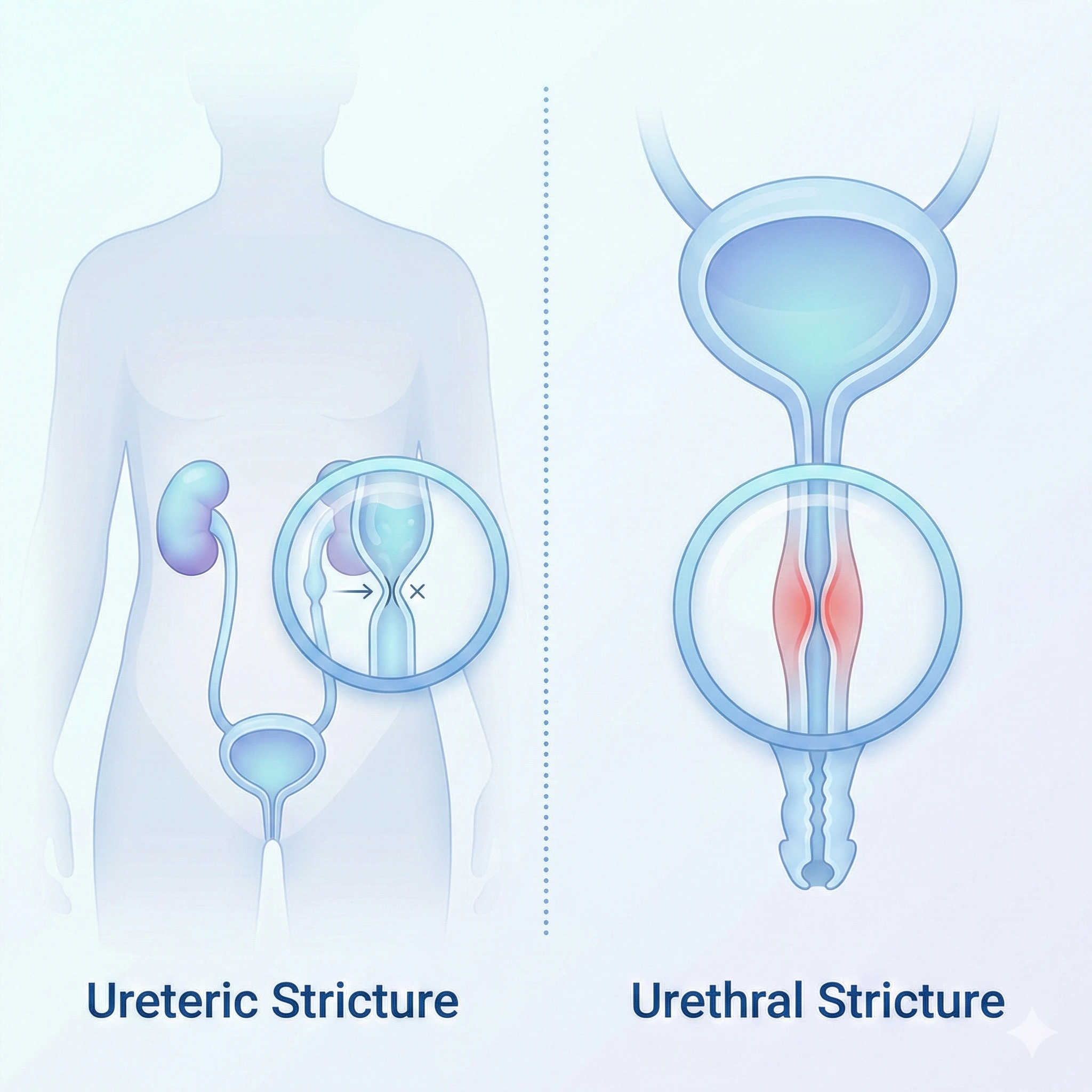
Ureteric & Urethral Stricture Disease
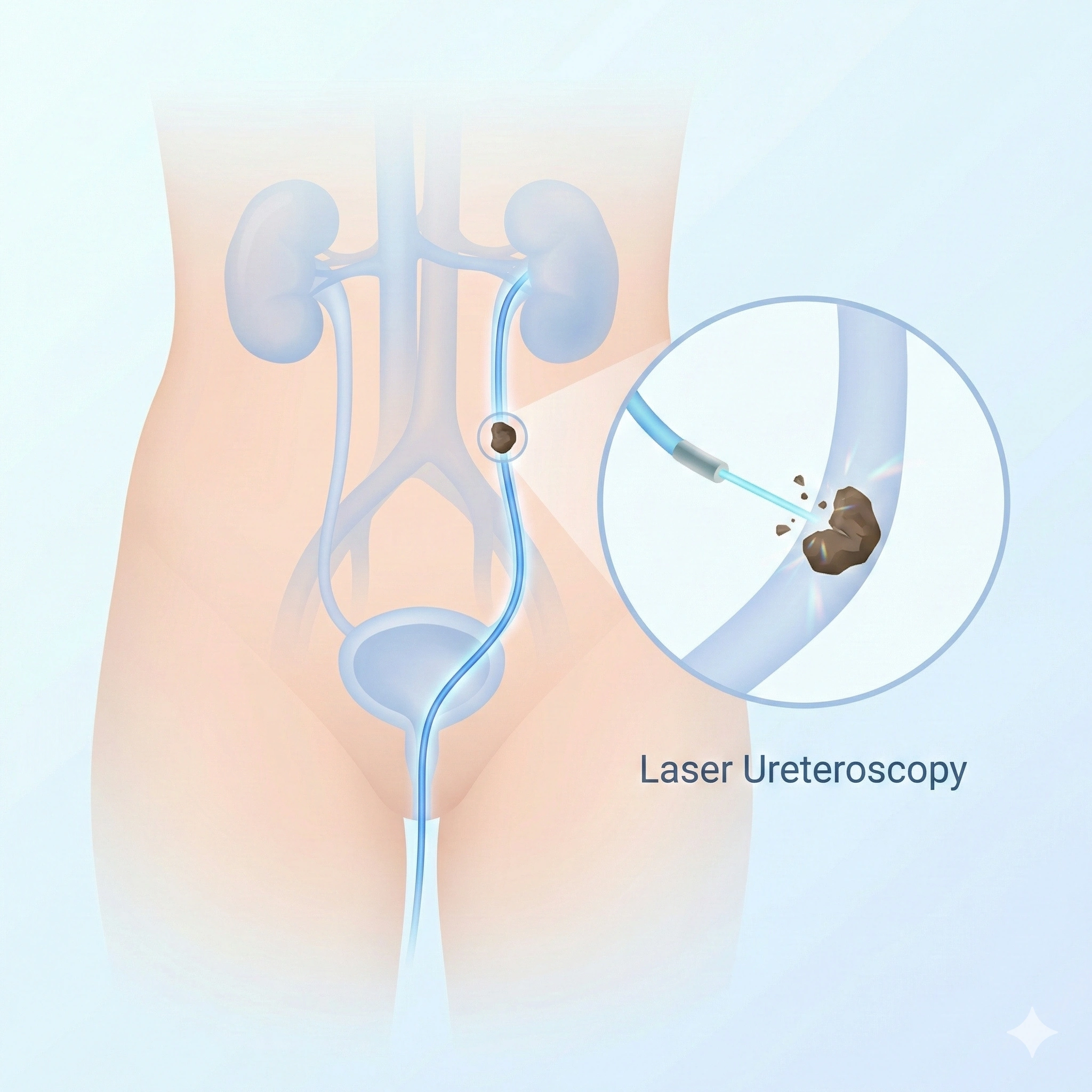
Laser Surgery for Kidney Stones
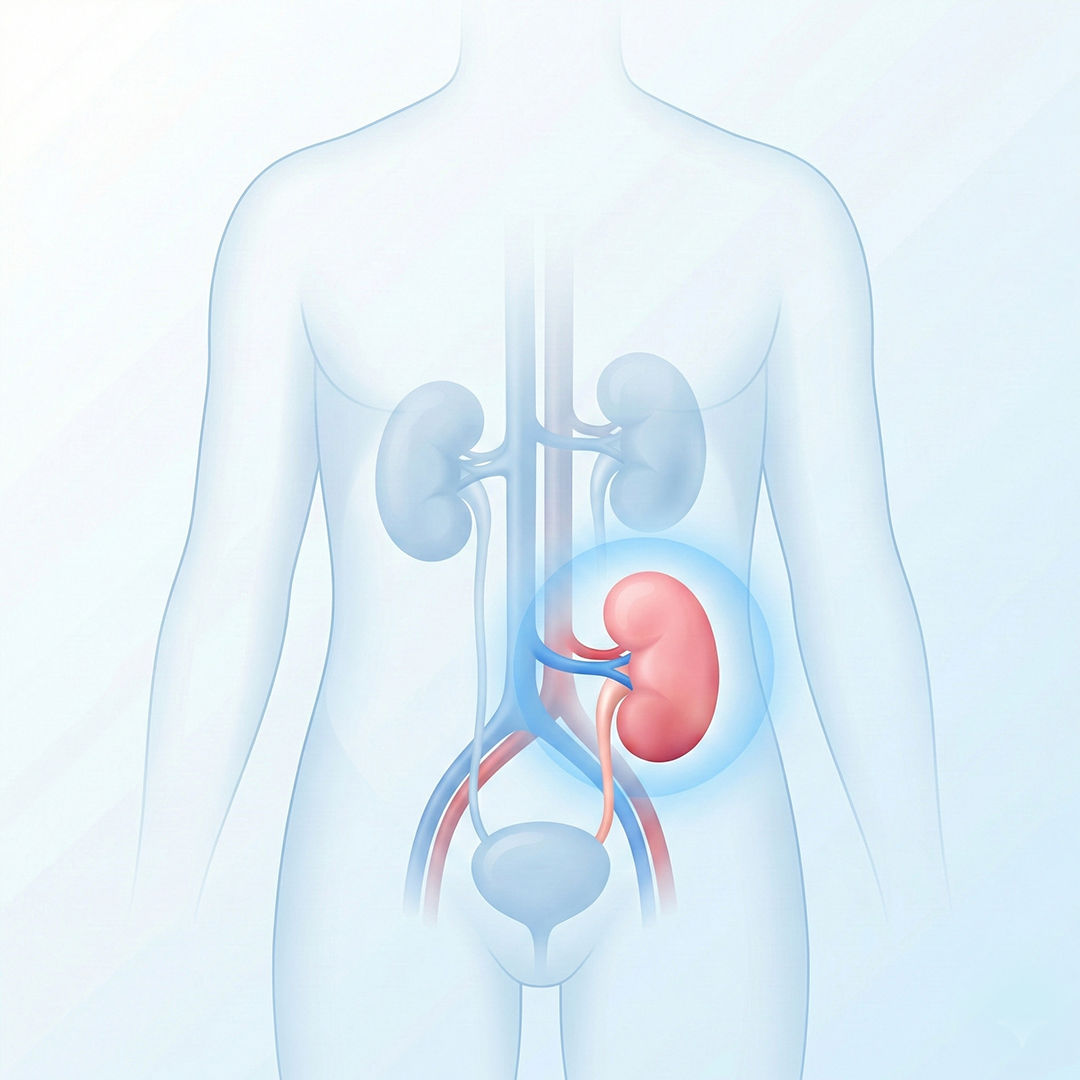
Kidney Transplant Care
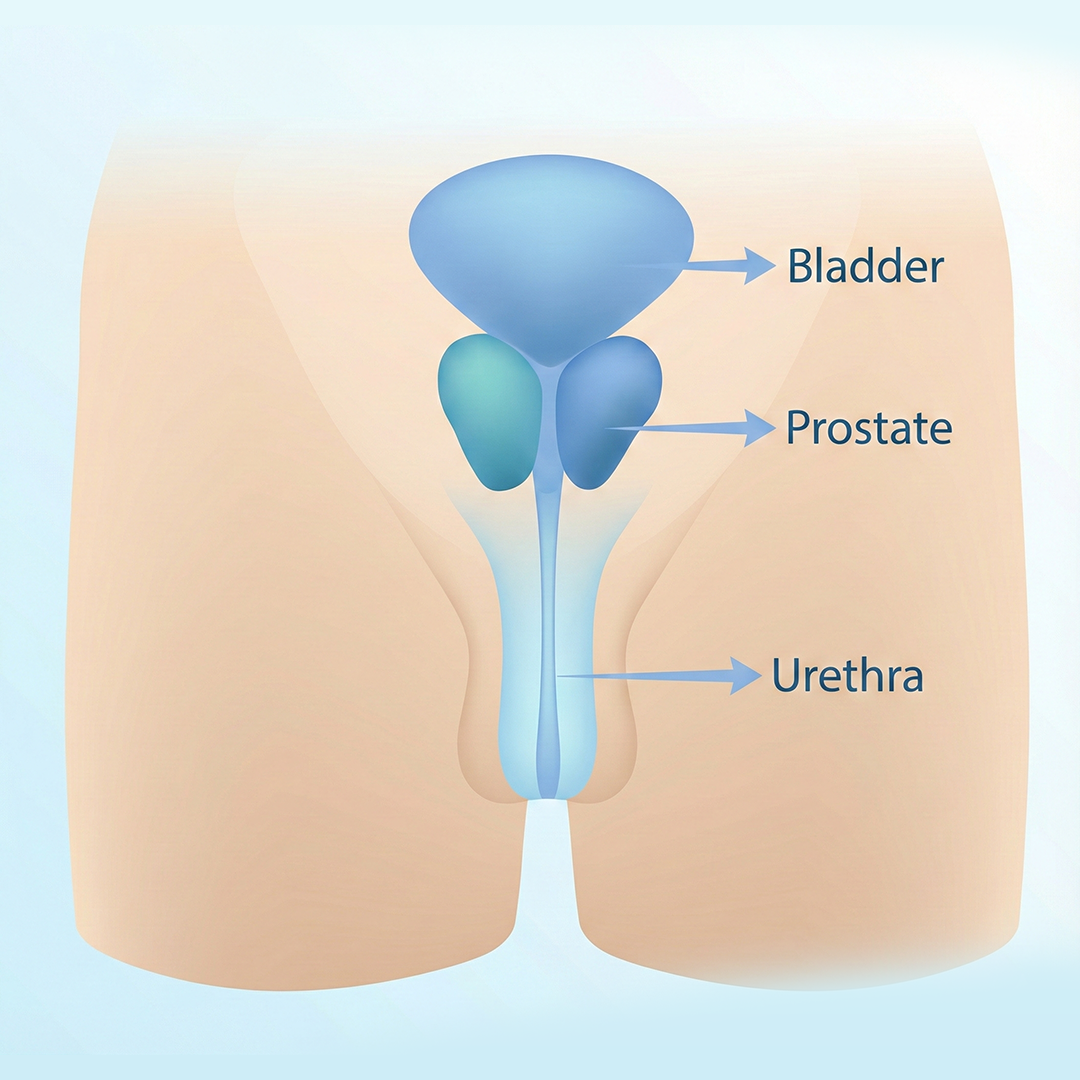
Benign Prostatic Hyperplasia (BPH)
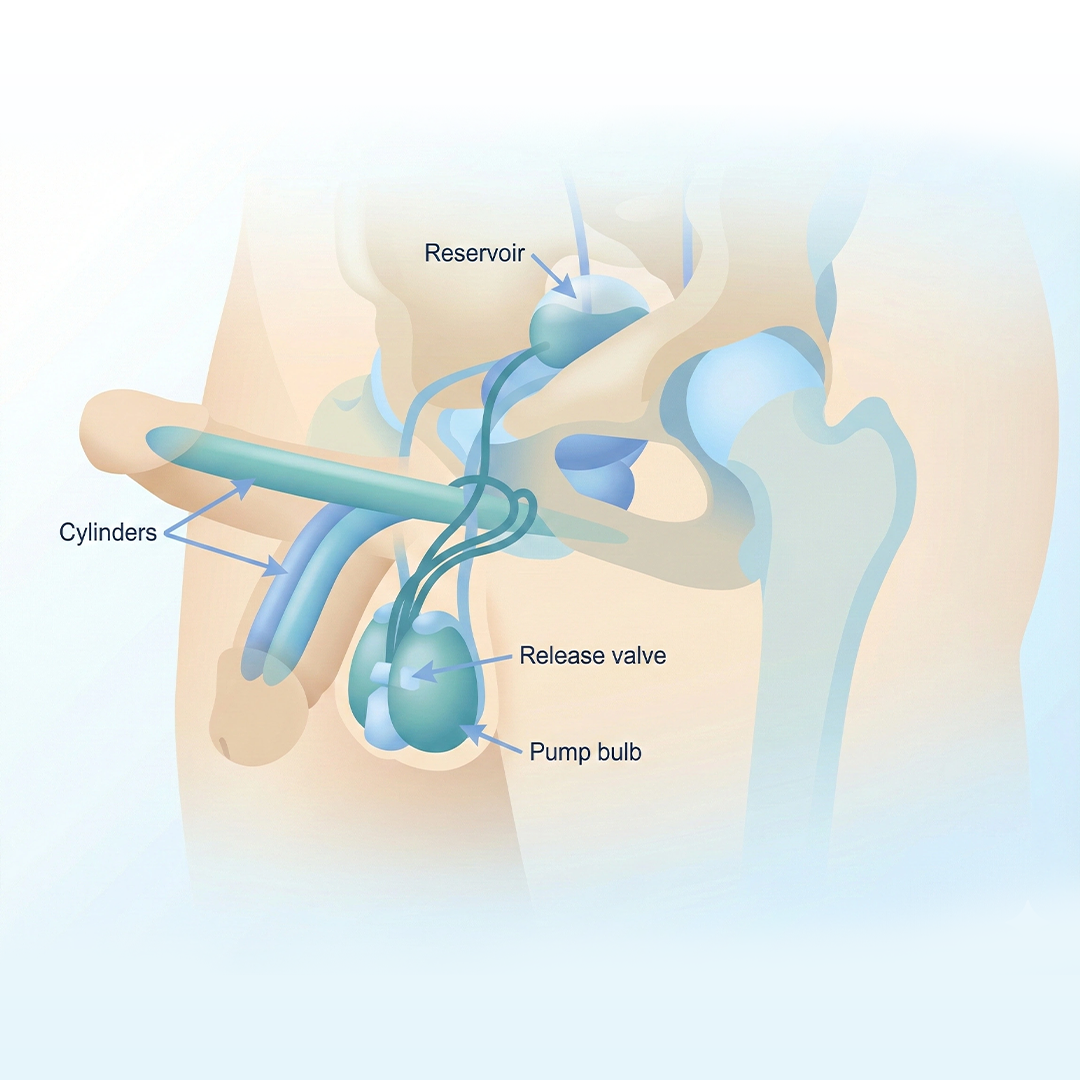
Penile Implants
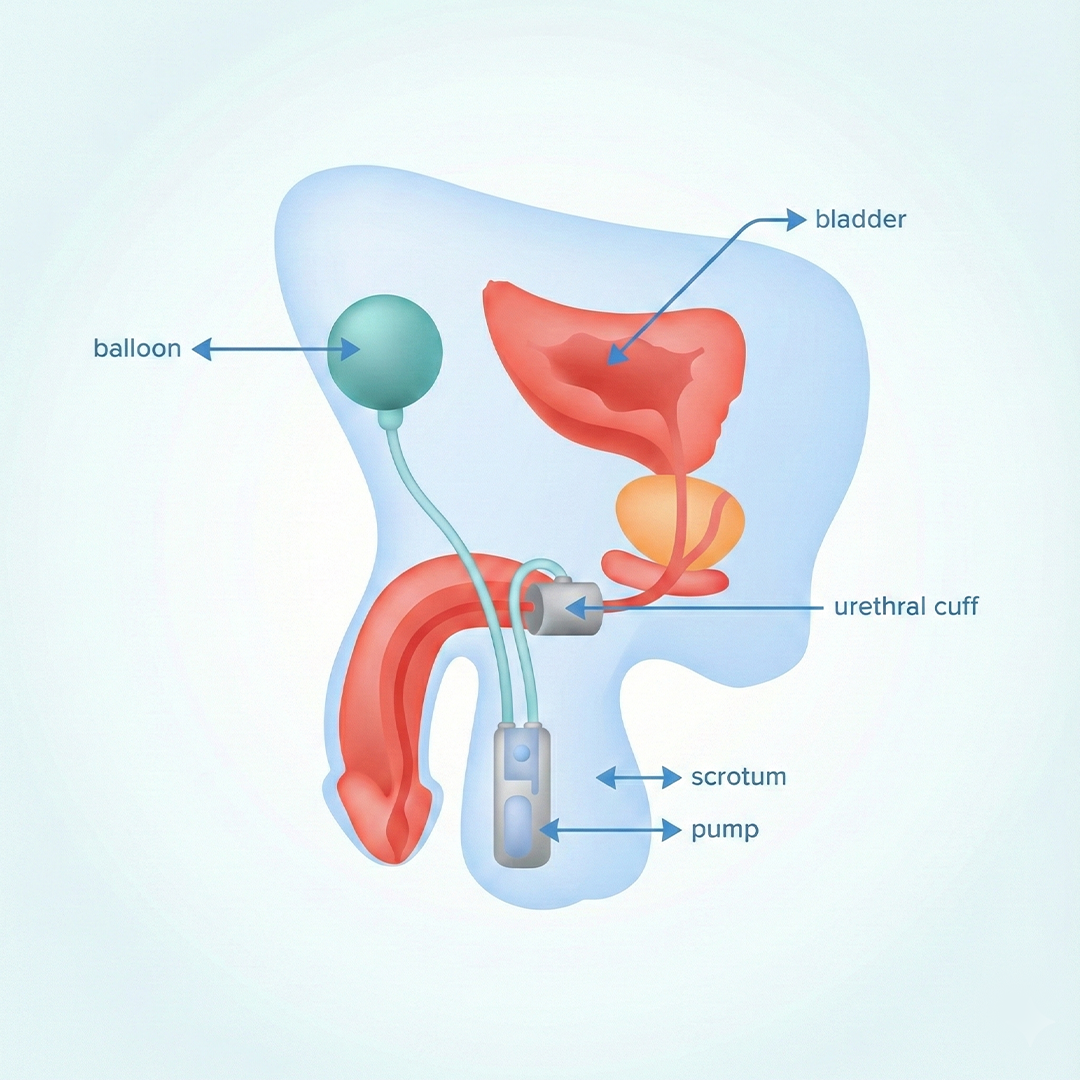
Artificial Urinary Sphincter
Get the Right Care for Your Health Concern
Discuss your symptoms with our doctor and receive personalised care tailored to your specific condition.
How Robotic Surgery Is Performed
A visual demonstration of how surgeons control robotic systems to perform precise surgeries.
A Patient-First Approach to Urology Care
Only honest, responsible medical care focused on long-term health.
Every consultation begins with listening. Dr. Amit Hosamani takes time to understand your symptoms, medical history, and concerns before suggesting any treatment.
Care is planned step by step, based on proper diagnosis and how the patient responds — with no unnecessary procedures and no false promises.
Patient-First Care
Each patient is given proper time, attention, and clear explanations during the consultation.

Evidence-Based Treatment
Treatment plans follow standard medical guidelines and proven clinical practices.

Ethical Medical Practice
Only necessary tests and procedures are advised — nothing unnecessary.

Personalized Treatment
Care is tailored to the patient’s condition, age, and overall health needs.
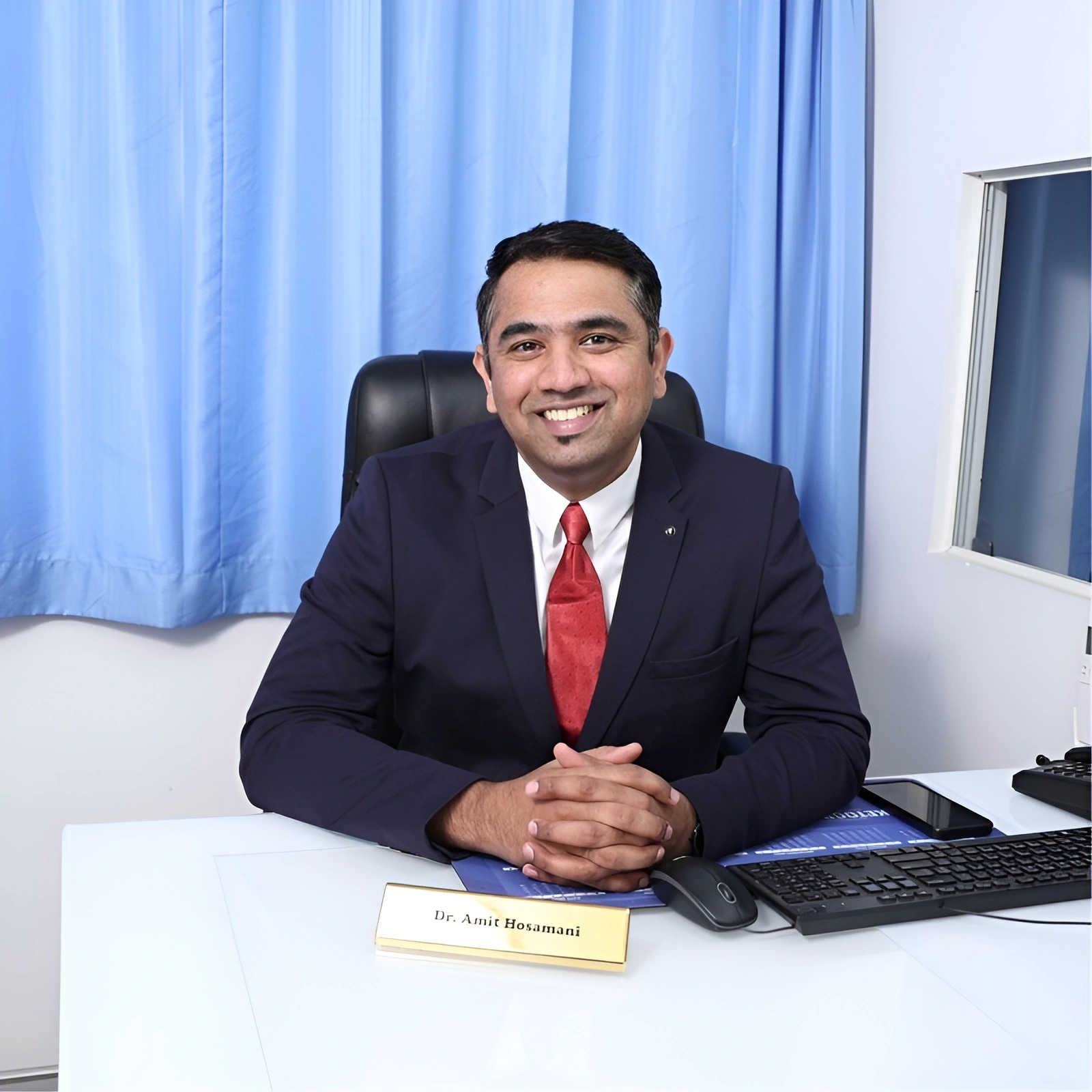
Meet Dr. Amit Hosamani
Consultant Urologist (Department of Robotic and Kidney Transplantation)
Dr. Amit Hosamani is a consultant urologist with expertise in minimally invasive, robotic surgery and kidney transplantation. He focuses on ethical, evidence-based care with clear communication and patient comfort.
- Medical Qualifications
MBBS
M.S. (General Surgery)
D.N.B. Urology
- Fellowship Training
Trained in robotic cancer and reconstructive surgeries, laparoscopic surgeries, endourology, MIST techniques, and penile implant procedures.
- Clinical Experience
10+ years of experience in minimally invasive surgery and advanced urological procedures.
- Your Care Process
- Consultation & Discussion
The first step is a detailed discussion to understand symptoms, medical history, and patient concerns.
- Evaluation & Diagnosis
Clinical examination and required tests are done to arrive at an accurate diagnosis.
- Treatment Planning
Based on the diagnosis, a personalized treatment plan is explained clearly to the patient.
- Procedure or Surgery (If Needed)
Minimally invasive or surgical treatment is advised only when necessary, following standard medical protocols.
- Our Location
Address
11/1, Plot No 61/2/1, Mumbai Pune Bypass Rd Flyover, near Bitwise Terra, Baner Annex, Baner, Pune, Maharashtra 411045
Clinic Timings
8:00 AM – 4:00 PM (On-site Visit) 4:00 PM – 10:00 PM (Online Consultation)
Speak directly with Dr. Amit Hosamani
Have questions about your health concern? Call us for a brief consultation or to book your appointment.
Answers to Common Patient Questions
Everything you need to know about robotic urology, reconstructive surgery, and kidney transplant care.
Robotic urology surgery is a minimally invasive procedure performed using robotic systems like da Vinci, offering high-definition 3D vision, magnification, and precise instrument control.
Most patients with localized prostate cancer are eligible. Suitability depends on factors like age, PSA level, overall health, and prior surgeries.
It offers less pain, reduced blood loss, minimal scarring, shorter hospital stays (usually one day), and faster recovery (around 7–10 days).
Risks are similar to other major surgeries and include anesthesia-related issues, urinary incontinence, and erectile dysfunction. Robotic system failures are very rare.
The procedure usually lasts between 1.5 to 4 hours and may include nerve or lymph node preservation when appropriate.
It treats urethral strictures, urinary incontinence, penile curvature (Peyronie’s disease), fistulas, and complications from hypospadias surgery.
Surgeons who focus exclusively on reconstructive urology generally achieve better outcomes than general urologists.
Most patients require about three weeks of rest. A catheter is used temporarily, and normal urination resumes after healing.
Activities that cause pressure or trauma, such as cycling or strenuous exercise, should be avoided during the healing phase.
Look for a surgeon whose practice is dedicated mainly to reconstructive urology rather than general urology.
The surgery takes 3–5 hours under general anesthesia. The donor kidney is placed in the lower abdomen and connected to blood vessels and the bladder. Native kidneys are usually left in place.
Patients with advanced kidney failure, especially those on or nearing dialysis, may qualify. Active cancer, substance abuse, or severe psychiatric illness can be disqualifying factors.
Deceased donor transplants may take 3–10 years. Living donor transplants are usually much faster.
Donors typically stay in the hospital for 5–8 days and can return to normal work in about four weeks.
Kidney transplants have high success rates. Living donor kidneys usually last longer and have lower rejection risk.